Fashion Trends & Inspiration
Fashion is far more than fleeting trends and seasonal collections. It represents a powerful form of self-expression, a reflection of personal values, and a sophisticated language of visual communication. For those seeking to navigate the complex world of style with confidence, understanding the fundamental principles that underpin lasting elegance becomes essential. Whether you’re decoding formal British dress codes, investing in sustainable wardrobe choices, or translating runway inspiration into wearable daily looks, the key lies in developing a discerning eye and informed approach.
This comprehensive exploration delves into the core themes that define contemporary fashion wisdom. From the timeless craft of traditional tailoring to the pressing challenges of environmental responsibility, from managing the tension between innovation and tradition to adapting bold trends for mature, confident style, these interconnected topics form the foundation of a well-rounded fashion perspective. By mastering these essential concepts, you’ll gain the tools to build a wardrobe that reflects both personal authenticity and informed sophistication.
Understanding British Formal Elegance and Dress Codes
British formal dressing carries a rich heritage of unspoken rules and subtle distinctions that can perplex even seasoned style enthusiasts. The sophistication lies not in ostentation but in understated precision—the perfect fit, the appropriate fabric weight, the harmonious coordination of accessories.
Decoding Black Tie and Formal Occasions
The Black Tie dress code remains one of Britain’s most enduring formal traditions. Unlike interpretations elsewhere, British Black Tie adheres to strict conventions: a black dinner jacket with silk grosgrain or satin lapels, matching trousers with a single braid, a white dress shirt with turndown collar, and a black bow tie—always hand-tied, never pre-tied. The dinner jacket should button at the natural waist, creating a clean, elongated silhouette. Patent leather Oxfords complete the ensemble, whilst brown shoes remain strictly forbidden in traditional circles.
The Subtlety of Formal Accessories
Accessories within British formal wear demand particular attention to proportion and restraint. Watches should feature classic designs with leather straps that coordinate with shoe colour—black leather with black shoes, brown with brown. Metal choices matter: silver-toned watches pair with cool-toned clothing, whilst gold complements warmer palettes. The cardinal rule remains avoiding anything remotely flashy; a discreet dress watch demonstrates far more sophistication than jewel-encrusted timepieces that verge on vulgarity.
Seasonal Adaptation Within Formal Parameters
British formal dressing adapts subtly across seasons. Summer events permit lighter fabrics—tropical weight wool or linen blends—whilst maintaining formal silhouettes. Winter calls for heavier worsteds and the occasional addition of a dress overcoat. Colour remains conservative year-round, though summer allows marginally lighter shades of grey and navy.
The Art of Tailoring: From Savile Row to Daily Wear
British tailoring represents the pinnacle of sartorial craftsmanship, yet its principles extend far beyond bespoke suits from London’s famous Savile Row. Understanding these fundamentals transforms how you approach everyday dressing.
Why Fit Matters More Than Brand
The single most important element of any garment is proper fit. A moderately priced suit that fits impeccably will always outperform an expensive designer piece with poor proportions. Shoulders should align naturally without extending beyond your frame or pulling inward. Jacket length should cover your seat, with sleeves ending where your thumb meets your wrist, allowing approximately half an inch of shirt cuff to show. Trousers should rest on the shoe with a slight break, neither pooling excessively nor exposing ankle.
Natural Fibres and Quality Materials
Traditional British tailoring favours natural materials for excellent reasons. Wool breathes, regulates temperature, and resists wrinkles remarkably well. Cotton provides comfort and durability for shirts and casual wear. Linen, though prone to creasing, offers unmatched breathability for warmer months. These natural fibres age gracefully, developing character rather than deteriorating like many synthetic alternatives.
Ready-to-Wear Versus Made-to-Measure
The distinction between ready-to-wear and made-to-measure (or bespoke) involves more than price. Ready-to-wear offers convenience and immediate availability, with modern brands providing various fits to accommodate different body types. Made-to-measure allows personalisation of an existing pattern to your measurements, whilst bespoke tailoring creates a unique pattern entirely from scratch. For most individuals, high-quality ready-to-wear with minor alterations by a skilled tailor provides the optimal balance of fit, quality, and value.
Building a Versatile Wardrobe Foundation
Constructing a functional wardrobe requires strategic sequencing. Begin with foundational neutrals: a navy suit, grey trousers, white and light blue shirts. These form a versatile base that accommodates numerous combinations. Subsequently introduce pattern and texture—a subtle check jacket, striped shirts, textured knitwear. Only after establishing these fundamentals should you incorporate trend-influenced pieces or bold colours, ensuring your wardrobe remains coherent and practical.
Balancing Technology and Traditional Formal Style
The integration of connected devices into formal wardrobes presents unique challenges. How does one maintain traditional elegance whilst accommodating modern technology?
Smart watches and fitness trackers increasingly appear on British wrists, yet their presence in formal contexts remains contentious. The solution lies in discretion and appropriateness. Hybrid watches—analogue faces concealing smart functionality—offer a compelling compromise, maintaining traditional aesthetics whilst providing connectivity. For Black Tie events or conservative professional environments, traditional mechanical watches remain the safer choice.
When wearing smart devices, avoid brightly coloured silicone straps that clash with formal attire. Opt instead for leather straps or metal bracelets that mirror traditional watch styling. Some individuals maintain separate timepieces: connected devices for casual settings and weekends, classic watches for formal occasions. This approach acknowledges that certain contexts still demand traditional presentation, regardless of technological convenience.
Sustainable Fashion: Beyond Greenwashing
Environmental consciousness has moved from fringe concern to mainstream priority within fashion, yet distinguishing genuine sustainability from marketing opportunism requires careful scrutiny.
Understanding Eco-Responsible Materials
Regenerated fibres—including Tencel, modal, and various recycled polyesters—represent significant innovations in sustainable textiles. These materials repurpose waste or use closed-loop production systems that minimise environmental impact. However, not all “eco-friendly” fabrics deliver equal benefits. Some recycled polyester garments release microplastics during washing, contributing to ocean pollution despite their recycled origins. Understanding these nuances prevents well-intentioned but ultimately counterproductive purchases.
Proper Care Extends Garment Lifespan
The most sustainable garment is one you already own. Washing less frequently preserves fabric integrity and reduces water consumption, energy use, and microplastic release. Many garments, particularly wool and denim, benefit from airing rather than washing after each wear. When laundering becomes necessary, ecological detergents, lower temperatures, and full loads maximise efficiency. Learning basic repairs—replacing buttons, mending small tears, reinforcing seams—prevents premature disposal and develops appreciation for garment construction.
Recognising Authentic Commitment Versus Marketing
Genuine sustainability requires transparency across the entire supply chain. Look for recognised certifications: GOTS (Global Organic Textile Standard) for organic fibres, Fair Trade for ethical labour practices, B Corporation status for comprehensive environmental and social responsibility. Investigate brands’ business models: do they encourage mindful consumption or constantly promote new collections? Examine their language: vague claims about “eco-consciousness” without specific data often signal greenwashing, whilst detailed information about materials, production locations, and environmental impact demonstrates authentic commitment.
The True Cost of Recycled Garments
Recycled clothing carries complex environmental considerations. Whilst diverting waste from landfills provides clear benefits, the recycling process itself consumes energy and resources. Some recycled textiles prove less durable than virgin alternatives, potentially requiring earlier replacement. The optimal approach combines purchasing fewer, higher-quality items—whether recycled or virgin materials—and maintaining them meticulously to maximise their lifespan.
Adapting Contemporary Trends with Maturity and Confidence
Fashion trends need not be abandoned as one matures; rather, they require thoughtful adaptation that honours both contemporary aesthetics and personal authenticity.
The key to incorporating bold colours into a mature wardrobe lies in strategic placement and sophisticated pairing. Rather than head-to-toe bright hues, introduce colour through single statement pieces—a terracotta jacket with neutral trousers, an emerald jumper beneath a grey overcoat. This approach demonstrates awareness of current trends whilst maintaining refined restraint.
Oversized silhouettes, currently prominent in fashion, can appear sloppy without careful management. The technique involves maintaining structure through tailored elements. An oversized blazer works when paired with fitted trousers; voluminous trousers require a more fitted top. Ensure the “oversizing” appears intentional rather than simply ill-fitting: seams should still align with shoulders, and overall proportions should balance harmoniously.
Distinguishing between ephemeral fads and enduring trends prevents wardrobe regret. Ephemeral trends often involve extreme proportions, novelty materials, or styles heavily promoted by fast fashion retailers. Enduring trends typically reinterpret classic elements—wider lapels, higher waistlines, earth-toned palettes—and receive endorsement from quality-focused brands. Investing in the latter whilst avoiding the former builds a wardrobe that remains relevant beyond a single season.
The greatest risk when mature individuals adopt youthful trends is appearing costume-like. Avoid this by maintaining your established style foundation whilst incorporating selective trend elements. If your aesthetic has always been classic, introduce trends through accessories or subtle details rather than dramatic wardrobe overhauls. Confidence stems from comfort, and style evolution should feel natural rather than forced.
From Runway to Reality: Making High Fashion Wearable
Fashion week presentations showcase designers’ creative visions, yet translating these dramatic looks into office-appropriate attire requires skilled interpretation.
Runway shows intentionally exaggerate volumes, proportions, and concepts to generate impact and media coverage. Translating these elements for professional environments demands moderation of extremes. An avant-garde sculptural sleeve becomes a subtle puff shoulder; a floor-sweeping coat becomes a mid-calf length; metallics reserved for evening wear appear as accessories rather than entire ensembles.
Seasonal colour trends offer the most accessible entry point for incorporating runway inspiration. If fashion weeks emphasise sage green and rust, introduce these through shirts, ties, pocket squares, or knitwear within your existing wardrobe framework. This approach keeps your style current without requiring complete wardrobe replacement.
The distinction between haute couture and ready-to-wear proves crucial for understanding fashion’s practical application. Haute couture represents artistry and craftsmanship at their apex, with limited wearability beyond extraordinary occasions. Ready-to-wear (prêt-à-porter) from the same designers offers commercially viable interpretations of their creative vision. Understanding this hierarchy prevents unrealistic expectations and helps identify which runway elements merit adoption.
Anticipating seasonal sales allows strategic acquisition of trend-influenced pieces at reduced prices. However, exercise discipline: a discounted item that doesn’t suit your lifestyle or integrate with your existing wardrobe represents poor value regardless of price reduction. Purchase sale items only when they fulfil genuine wardrobe needs.
Ultimately, successful style emerges from understanding these interconnected principles—formal traditions, tailoring fundamentals, technological integration, environmental responsibility, age-appropriate trend adaptation, and practical runway interpretation. Each element informs the others, creating a comprehensive framework for confident, conscious, and authentically personal fashion choices that transcend temporary trends and reflect enduring sophistication.

How to Wear London Fashion Week Trends to the Office—Without Looking Out of Place
The gap between the London Fashion Week runway and the reality of a corporate dress code can be bridged through the art of ‘Intentional Integration’. It’s not about adding a single trend, but thoughtfully weaving its essence into a polished,…
Read more
How to Spot Greenwashing in High Street Ethical Collections?
Spotting greenwashing is not about finding lies, but about recognising the strategic distractions brands use to hide their unsustainable core business models. Verifiable data from third-party audits (like B Corp) is the only reliable proof, not a brand’s own ‘Conscious’…
Read more
Is Buying Recycled Polyester Actually Good for the Planet?
Contrary to popular marketing, recycled polyester is rarely a circular solution but a one-way ticket to landfill, a process correctly termed “downcycling.” Each wash releases hundreds of thousands of plastic microfibres that virgin materials do not. The recycling process degrades…
Read more
Caring for Sustainable Textiles: Why Dry Cleaning Is Often a Mistake
In summary: Effective sustainable garment care in the UK requires specific techniques to combat challenges like hard water and a damp climate. Understanding the science of fibres like Tencel and wool is key to preventing damage during washing and ironing….
Read more
Modern Style After 50: How to Master Trends with Elegance and Confidence
Mastering modern style after 50 is not about following rules, but about learning the art of ‘trend deconstruction’. Select one element from a trend (a colour, a cut) instead of the whole look. Prioritise ‘Cost-Per-Wear’ over fast fashion for a…
Read more
Adopting Sartorial Style on a High Street Budget
The secret to impeccable style isn’t a high price tag, but a strategic investment in fit and fabric intelligence. An expertly altered £150 suit from the high street consistently looks more impressive than an ill-fitting £500 suit off-the-rack. Mastering the…
Read more
How to Wear a Smartwatch to a Wedding Without Ruining Your Outfit
Wearing a smartwatch to a formal British wedding doesn’t have to be a style crime; it’s an exercise in aesthetic integration. Success lies in replacing the default silicone band with a strap of fine leather or polished metal that complements…
Read more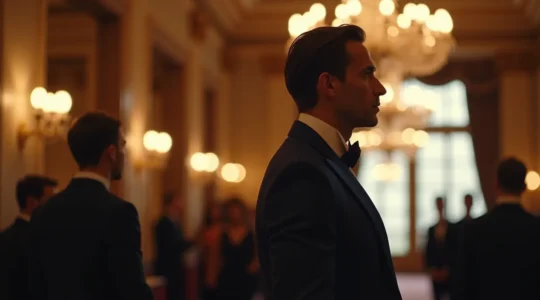
The Unspoken Rules: A Guide to Sartorial Elegance at UK Black Tie Events
True British black-tie elegance is not about what you wear, but about the social grammar you demonstrate. The most significant statements are often omissions, such as forgoing a wristwatch to show respect for your host. Modern compromises, like smartwatches, are…
Read more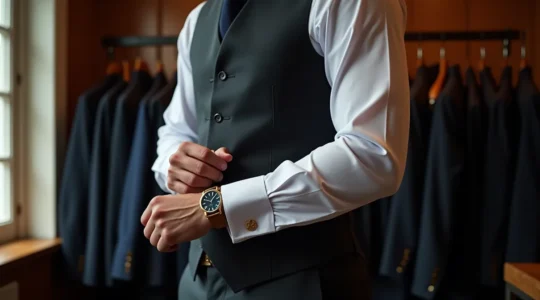
How to Match Watch Design Refinement with Savile Row Tailoring
The true art of pairing a watch with a suit is not about matching colours; it’s about respecting the architectural intent of the tailoring. A watch’s size and thickness must complement the shirt cuff’s clearance, not compete with it. The…
Read more